
Introduction
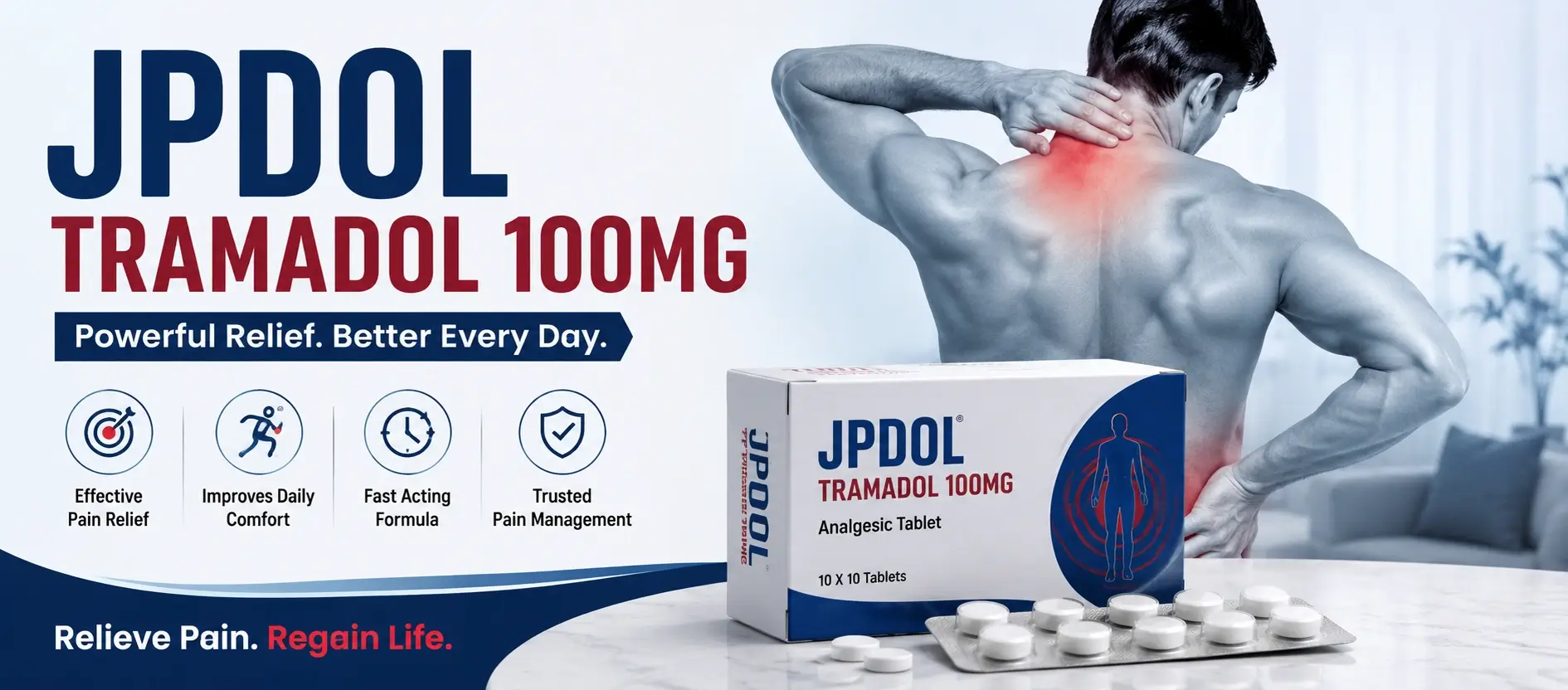
Jpdol 100mg is marketed as a product containing tramadol, an opioid analgesic used for the management of pain when an opioid medicine is considered appropriate. Tramadol affects the central nervous system and changes how the body perceives and responds to pain.
However, there is an important distinction for readers in the United States: the FDA stated in March 2026 that Jpdol 100mg was among products marketed as tramadol for which no approved drug application was in effect. FDA-approved tramadol products are prescription medicines intended for pain severe enough to require an opioid analgesic when alternative treatments are inadequate.
Because tramadol is an opioid, it carries clinically important risks, including misuse, addiction, overdose, respiratory depression, seizures, and potentially dangerous interactions with other medicines.
What Is Jpdol 100mg?
Jpdol 100mg is a product marketed as containing 100 mg of tramadol. Tramadol is an opioid pain medicine that acts on the central nervous system.
FDA-approved tramadol tablets are indicated for adults with pain severe enough to require an opioid analgesic when alternative treatments are inadequate.
The name or strength printed on a product does not by itself establish that a particular product is FDA-approved or appropriate for use in the United States. Patients should verify prescription medicines through a licensed healthcare professional and legitimate pharmacy.
What Is Tramadol Used For?
Tramadol is prescribed for the management of certain types of pain.
A healthcare professional may consider an opioid analgesic when:
- The pain is sufficiently severe to require an opioid medicine.
- Alternative treatment options are inadequate.
- The expected benefits of treatment outweigh the potential risks.
Tramadol should not be considered an appropriate treatment for every type of pain. The underlying cause and severity of pain should be evaluated before treatment.
How Does Tramadol Work?
Tramadol has two important pharmacological actions.
First, it acts as an opioid analgesic by interacting with opioid receptors involved in pain signaling. It also affects the reuptake of certain neurotransmitters, including serotonin and norepinephrine.
Together, these effects alter how pain signals are processed by the central nervous system.
Because tramadol affects both opioid and neurotransmitter pathways, it can interact with several other medicines and can produce adverse effects beyond ordinary pain relief.
Jpdol 100mg Uses
The underlying active ingredient, tramadol, may be prescribed for pain that is severe enough to warrant opioid treatment.
Possible clinical situations can include certain acute or persistent pain conditions when a healthcare professional determines that tramadol is appropriate.
However, Jpdol 100mg should not be self-selected simply because pain is severe. Opioid treatment requires an assessment of medical history, current medicines, risk factors, and alternative treatment options.
Jpdol 100mg Dosage
The appropriate tramadol dose depends on factors such as:
- The type and severity of pain
- Age
- Kidney function
- Liver function
- Other medicines being taken
- Previous exposure to opioids
- Individual response to treatment
A 100mg strength does not mean that 100mg is an appropriate dose for every person.
Patients should take tramadol only according to the prescription and product-specific instructions provided by their healthcare professional. Do not increase the dose, take it more frequently, or combine it with another opioid unless specifically instructed.
Jpdol 100mg Side Effects
Tramadol can cause side effects. Commonly reported effects include:
- Dizziness
- Drowsiness
- Nausea
- Vomiting
- Constipation
- Headache
- Dry mouth
- Fatigue
- Sleepiness
Some adverse effects can be serious. Tramadol labeling includes warnings about respiratory depression, addiction, abuse, misuse, seizures, and other potentially serious complications.
Can Tramadol Cause Drowsiness?
Yes. Tramadol may cause drowsiness, dizziness, and impaired alertness.
Patients should understand how the medicine affects them before driving, operating machinery, or performing other activities requiring full concentration.
Combining tramadol with other central nervous system depressants can increase sedation and respiratory risks.
Jpdol 100mg and Addiction Risk
Tramadol is an opioid and can lead to addiction, abuse, misuse, and physical dependence, even when taken according to a prescription.
The FDA-approved tramadol label carries a boxed warning addressing addiction, abuse, and misuse.
Risk can be influenced by factors including:
- Duration of treatment
- Dosage
- Personal history of substance-use problems
- Concurrent use of other medicines
- Taking the medicine differently from prescribed
For this reason, tramadol should be used under appropriate medical supervision.
Tramadol and Respiratory Depression
One of the most serious risks associated with tramadol is respiratory depression, meaning breathing becomes dangerously slow or inadequate.
The risk can be particularly important when treatment begins or after a dose increase. Patients taking tramadol should be monitored appropriately for respiratory depression during these periods.
Emergency medical attention is necessary if someone taking an opioid becomes extremely difficult to wake, has unusually slow or shallow breathing, or develops signs of a serious overdose.
Can Tramadol Cause Seizures?
Yes. Seizures are a recognized risk associated with tramadol.
The risk can increase in certain circumstances, including interactions with other medicines that lower the seizure threshold.
Patients with a history of seizures or other relevant neurological conditions should discuss this with their healthcare professional before taking tramadol.
Tramadol and Serotonin Syndrome
Tramadol also affects serotonin and norepinephrine pathways. Consequently, combining tramadol with certain serotonergic medicines can increase the risk of serotonin syndrome.
Potential warning symptoms can include:
- Agitation
- Confusion
- Rapid heart rate
- Heavy sweating
- Muscle rigidity or twitching
- Fever
- Loss of coordination
Anyone who develops concerning symptoms after combining medicines should seek medical advice promptly.
Can You Take Tramadol With Alcohol?
Combining tramadol with alcohol can increase central nervous system depression and may increase the risk of dangerous sedation and breathing problems.
Patients taking prescription tramadol should discuss alcohol use with their healthcare professional and follow the medication’s safety instructions.
Tramadol and Benzodiazepines
Extra caution is required when tramadol is combined with benzodiazepines such as alprazolam.
Combining opioid medicines with benzodiazepines or other CNS depressants can result in profound sedation, respiratory depression, coma, and potentially death.
Patients should never combine these medicines on their own.
Who Should Avoid or Use Extra Caution With Tramadol?
Tramadol may not be appropriate for everyone.
A healthcare professional should know if a patient has:
- A history of seizures
- Breathing problems
- Liver disease
- Kidney disease
- Head injury or increased intracranial pressure
- A history of substance misuse
- Current use of antidepressants or other serotonergic medicines
- Current use of benzodiazepines or other sedatives
The complete prescribing information should be reviewed before treatment.
What Happens If You Stop Tramadol Suddenly?
Regular opioid use can result in physical dependence. Stopping treatment suddenly after prolonged use can produce withdrawal symptoms.
Depending on the individual situation, withdrawal can involve:
- Anxiety
- Restlessness
- Sweating
- Muscle aches
- Insomnia
- Nausea
- Abdominal discomfort
Patients who have been taking tramadol regularly should speak with their healthcare professional before stopping treatment. A supervised reduction may be appropriate depending on the circumstances.
Jpdol 100mg in the USA
The regulatory status of a specific product is important.
In a March 2026 warning letter, the FDA specifically identified Jpdol 100mg among products marketed as tramadol for which there was no approved drug application in effect. The FDA also clarified that approved tramadol products are available in the United States by prescription from a licensed practitioner.
Therefore, consumers should not assume that every product labeled “Jpdol 100mg” is an FDA-approved tramadol product.
Safer Use of Prescription Tramadol
If a healthcare professional prescribes tramadol, safer use includes:
- Taking the medicine exactly as prescribed.
- Never taking more than directed.
- Not sharing the medicine with another person.
- Keeping the medication securely stored.
- Informing healthcare professionals about all other medicines being used.
- Avoiding unauthorized combinations with alcohol or sedatives.
- Seeking professional advice before stopping regular treatment.
Frequently Asked Questions
What is Jpdol 100mg?
Jpdol 100mg is marketed as a tramadol-containing pain medicine. However, the FDA identified Jpdol 100mg in a 2026 warning letter as a product for which no approved drug application was in effect in the United States.
What is tramadol used for?
FDA-approved tramadol is used in adults for pain severe enough to require an opioid analgesic when alternative treatments are inadequate.
Is Jpdol 100mg FDA-approved?
The FDA’s March 2026 warning letter stated that there was no approved drug application in effect for Jpdol 100mg marketed as tramadol. This is different from FDA-approved tramadol products available by prescription.
Can tramadol cause addiction?
Yes. Tramadol is an opioid and can cause addiction, abuse, misuse, and physical dependence.
Can tramadol cause breathing problems?
Yes. Serious and potentially fatal respiratory depression is a recognized opioid risk, particularly during treatment initiation or following a dose increase.
Can tramadol be taken with alprazolam?
Combining an opioid such as tramadol with a benzodiazepine such as alprazolam can increase the risk of profound sedation and respiratory depression. Such combinations should only occur under appropriate medical supervision.
Can tramadol be taken with alcohol?
Alcohol can increase the sedative and respiratory-depressant effects of opioids. Patients should discuss alcohol use with their healthcare professional and follow the prescribed safety instructions.
Key Takeaways
- Jpdol 100mg is marketed as a tramadol product, an opioid pain medicine.
- The FDA identified Jpdol 100mg in a March 2026 warning letter as a product marketed as tramadol without an approved drug application in effect.
- FDA-approved tramadol is available by prescription for adults with pain severe enough to require an opioid when alternative treatments are inadequate.
- Tramadol can cause addiction, abuse, misuse, and physical dependence.
- Respiratory depression is a serious opioid-related risk.
- Tramadol can also cause seizures and potentially dangerous drug interactions.
- Combining tramadol with alcohol, benzodiazepines, or other CNS depressants can increase serious safety risks.
- Tramadol should be used only under appropriate medical supervision and according to the applicable prescription information.
Conclusion
Jpdol 100mg is marketed as a 100mg tramadol product, but consumers should distinguish the brand or product name from the regulatory status of approved tramadol medicines. In March 2026, the FDA specifically identified Jpdol 100mg among products marketed as tramadol without an approved drug application in effect.
Tramadol itself is an opioid analgesic with legitimate medical uses when appropriately prescribed, but it also carries serious risks involving addiction, misuse, respiratory depression, seizures, dependence, and drug interactions.
Anyone considering tramadol for pain should consult a qualified healthcare professional rather than selecting a particular 100mg product independently.
Medical Disclaimer
This article is for general educational purposes only and does not replace professional medical advice, diagnosis, or treatment. Tramadol is a prescription opioid medicine with significant safety risks. Always consult a qualified healthcare professional and follow the official prescribing information applicable to the specific product.